Beyond Soundbite Leadership: Give People a Message They Can Follow
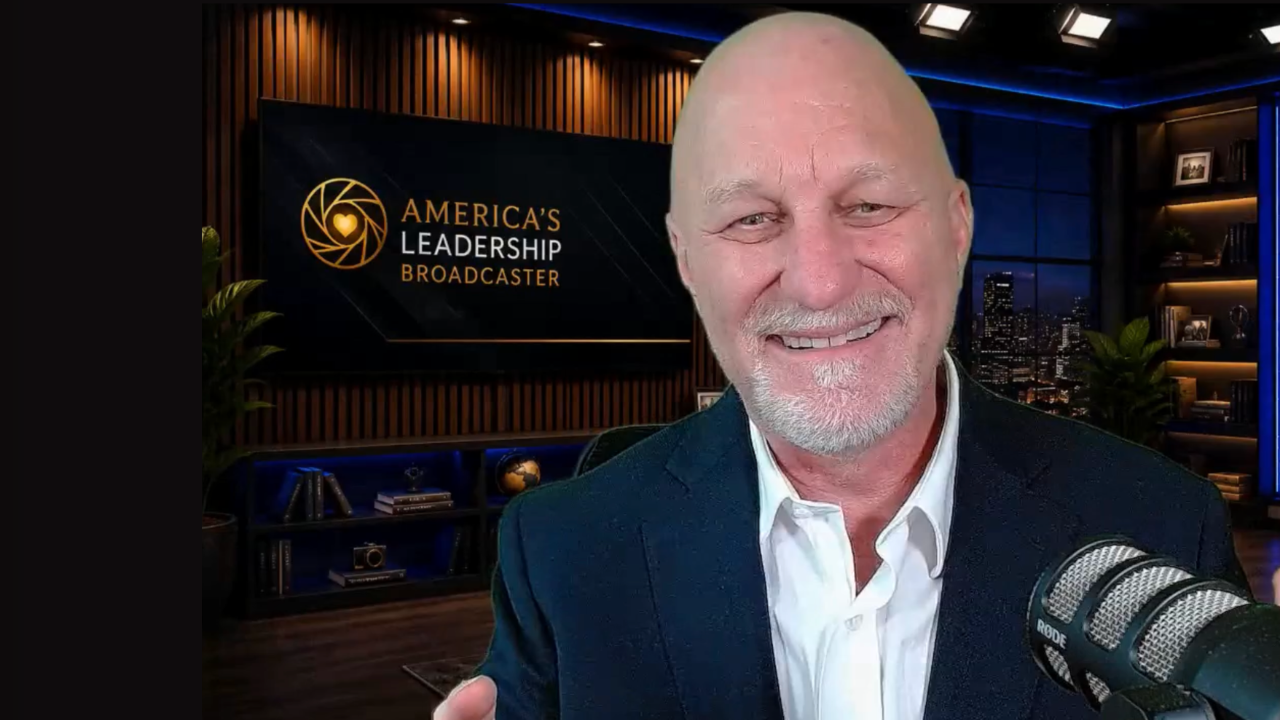
Lead Through The Lens™ Briefing
By Rich “Trigger” Bontrager, America’s Leadership Broadcaster™

After more than 35 years in broadcasting, I appreciate a good soundbite. A well-chosen phrase can capture attention, make a complicated idea easier to remember, and give people something worth sharing.
But when I work with leaders on their communication, I want to know what sits behind that phrase. If someone asks you to explain what it means, why it matters, and what they should do with it, can you take them somewhere meaningful?
That is where soundbite leadership becomes a problem. We can spend so much time trying to create the line people will repeat that we neglect the message people actually need.|
Soundbite leadership happens when a leader relies on memorable phrases without providing the context, human connection, and practical direction people need to act. You may get attention in the moment, while leaving your audience with very little to carry into their work.
In a camera-first, digital-first world, that gap deserves our attention.
When the slogan becomes the whole message
Leaders are communicating through short videos, virtual meetings, livestreams, interviews, and social posts. Those formats reward a strong opening and a clear point, and there is real value in learning to communicate concisely.
The trouble begins when we confuse being brief with being clear.
Consider a leader who tells the team, “We need to raise the bar.” It sounds confident, and most people would probably agree with it. But what happens when that meeting ends? Does raising the bar mean improving customer service, reducing errors, responding faster, or taking more ownership?
Without that explanation, five people can leave the same meeting with five different assignments in their heads. The leader believes the direction was clear because the statement sounded clear.
That is a communication gap, and a better slogan will not close it.
Your team needs enough substance to understand your thinking, enough connection to care about the direction, and enough clarity to recognize what success looks like.
What soundbite leadership costs leaders today
When people have to keep translating a leader’s language into practical expectations, the work becomes harder than it needs to be. They may spend time on the wrong priorities, hesitate over decisions, or return for clarification that could have been part of the original conversation.
There is also a credibility issue. If leaders repeatedly talk about trust, accountability, or putting people first without explaining how those commitments shape decisions, the language can start to feel empty.
The need for clarity is supported by research. In its January 2025 report on U.S. employee engagement, Gallup reported that just 46% of employees strongly agreed they knew what was expected of them at work, compared with 56% in March 2020. Read Gallup’s supporting research.
That finding does not directly measure soundbite leadership. It does, however, point to a problem every leader should take seriously: communicating a message does not guarantee that people understand what you expect.
Through a camera, that responsibility becomes especially visible. Your audience hears your words while also reading your expression, listening to your tone, and deciding whether you believe what you are saying. A polished phrase can open the door, but the conversation behind it gives people a reason to trust you.
How I help leaders develop the message behind the moment
When I help a leader prepare for a presentation, interview, or important team conversation, we work on the message first. Before we worry about the memorable line, we need to understand the audience, the purpose of the conversation, and what needs to happen afterward.
What are these people carrying into the room? What concerns might keep them from hearing you? What do they need you to explain honestly, and what action are you asking them to take?
That preparation is central to Lead Through The Lens™ and my H.E.A.R.T. Method™: Human Connection, Emotional Intention, Authentic Authority, Relatable Story, and Trust Through-the-Lens.
We develop the substance, then work on delivering it with a presence that feels natural and credible. That includes the words you choose, the story that makes the idea relatable, and the way you show up through the camera.
The soundbite still has a place. It becomes stronger because it grows out of a message you can explain and stand behind.

Three action steps to become more than a soundbite leader
1. Build the full message before you shorten it
Before your next leadership video or team meeting, write out what you actually need people to understand. Explain the issue, why it matters to this audience, and what you want them to do next.
You do not have to deliver every word you write. The preparation helps you discover whether your thinking is clear before you ask someone else to follow it.
If your message is “We need to communicate better,” keep working. Where is communication breaking down? What is that costing the team? What specific behavior would improve the situation?
A more useful direction might be: “When a deadline changes, update the shared project tracker and notify the people affected that same day, so no one is working from an outdated plan.”
Once you have that level of clarity, you can find a memorable phrase that reinforces it.
Try this today: Take one phrase you use regularly and write the explanation you would give an employee who asks, “What does that mean for my work?”
2. Connect the idea to a human experience
A leadership message becomes easier to understand when people can recognize themselves in it. Give them a relevant example, a brief story, or a situation that shows why the issue matters.
If you are asking for better collaboration, describe what happens when a colleague receives important information too late to help a customer. If you are introducing a change, acknowledge the frustration of learning a new process while trying to keep daily work moving.
You are helping people understand the message's meaning through an experience they recognize.
This is where Relatable Story and Human Connection matter. Your audience needs to know that you understand the people affected by the direction you are giving.
Try this today: Add one honest, relevant example to your next message, then explain what it teaches and how it connects to the action you are requesting. Protect confidentiality, and be clear when an example is hypothetical.
3. Check understanding and follow through
The end of your presentation is the beginning of your team’s response. Give people room to ask questions, explain what they heard, and identify anything that still feels unclear.
Instead of ending with “Everybody good?” ask, “Based on this conversation, what will you approach differently this week?” You will learn much more from that answer than from a screen full of nodding heads.
Then make your own follow-through visible. If you asked for stronger communication, practice it. If you promised an update, deliver it. If people raised a concern you could not answer, return with an answer by the time you said you would.
Trust grows as people experience consistency between your message and your behavior.
Try this today: Close your next meeting with one clear action, an owner, and a follow-up date. At the next check-in, ask what happened and what support is still needed.
Give people something they can carry into their work
A strong leadership message can include a memorable line, but it also needs an explanation people can understand, a reason they can care about, and a direction they can follow.
Before you record your next reel or open your next virtual meeting, think about the person on the other side of the lens. When your message ends, will that person know what you mean and what to do next?
That is the work I help leaders do: develop meaningful messages and communicate them with clarity, confidence, credibility, and human connection.
If your message needs more substance or your delivery needs to connect more naturally, work with me to strengthen your leadership communication.
Lead Confidently. Connect Deeply.
#LeadThroughTheLens #LeadershipCommunication #LeadershipDevelopment #ExecutivePresence #VirtualLeadership



Comments